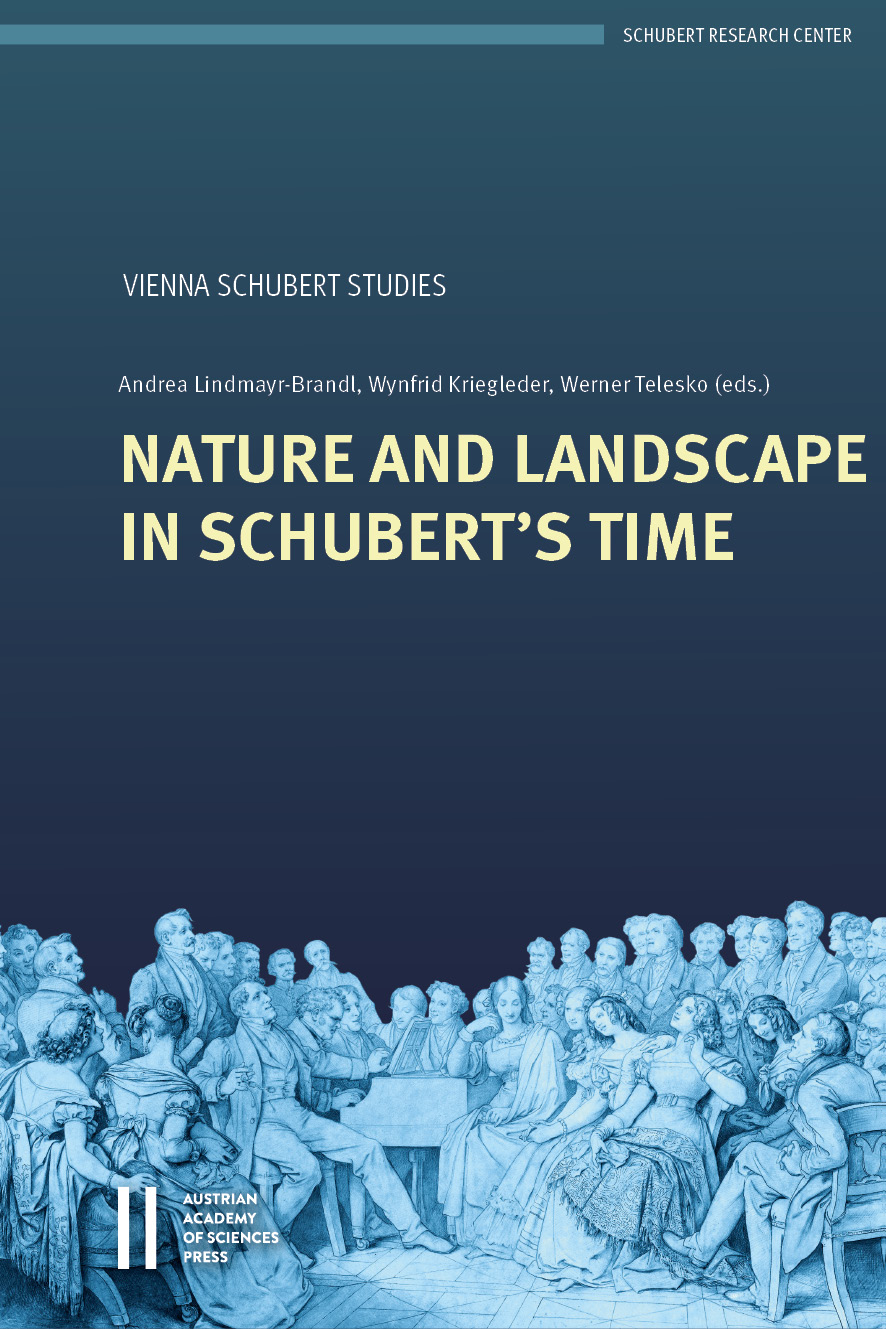
Das Verhältnis zwischen Natur und Landschaft einerseits sowie den Künsten andererseits hat sich im frühen 19. Jahrhundert grundlegend gewandelt. Infolge geistesgeschichtlicher Entwicklungen gewannen Natur und Landschaft an Bedeutung und fungierten als Spiegel des Zustands des Menschen. Diese Entwicklung wirkte sich nicht nur auf die Musik aus, sondern auch auf Literatur, Theater und die bildende Kunst im Habsburgerreich. Der vorliegende Sammelband untersucht die Beziehung zwischen Schuberts Musik und den zeitgenössischen Vorstellungen von Natur und Landschaft in Beiträgen aus verschiedenen Disziplinen, die zugleich neue Ansätze aufzeigen. Die Fokussierung auf die Natur nicht nur als poetisches Thema, sondern als Mittel zur Auseinandersetzung mit Ökokritik, Kunstgeschichte und Philosophie veranschaulicht beispielhaft die Attraktivität der Zugänge und verortet Franz Schubert in neuen historischen und theoretischen Kontexten.
…
The relationship between nature and landscape, on the one hand, and the arts, on the other, underwent a fundamental transformation in the early 19th century. As a result of developments in the history of ideas, nature and landscape gained in significance and came to serve as a mirror of the human condition. This development had an impact not only on the music, but also on literature, theatre, and the visual arts within the Habsburg Empire. This anthology examines the relationship between Schubert’s music and contemporary conceptions of nature and landscape through contributions from various disciplines, while also highlighting new methodological approaches. The focus on nature not only as a poetic theme but also as a means of engaging with ecocriticism, art history, and philosophy exemplifies the appeal of these approaches and situates Franz Schubert within new historical and theoretical contexts.